
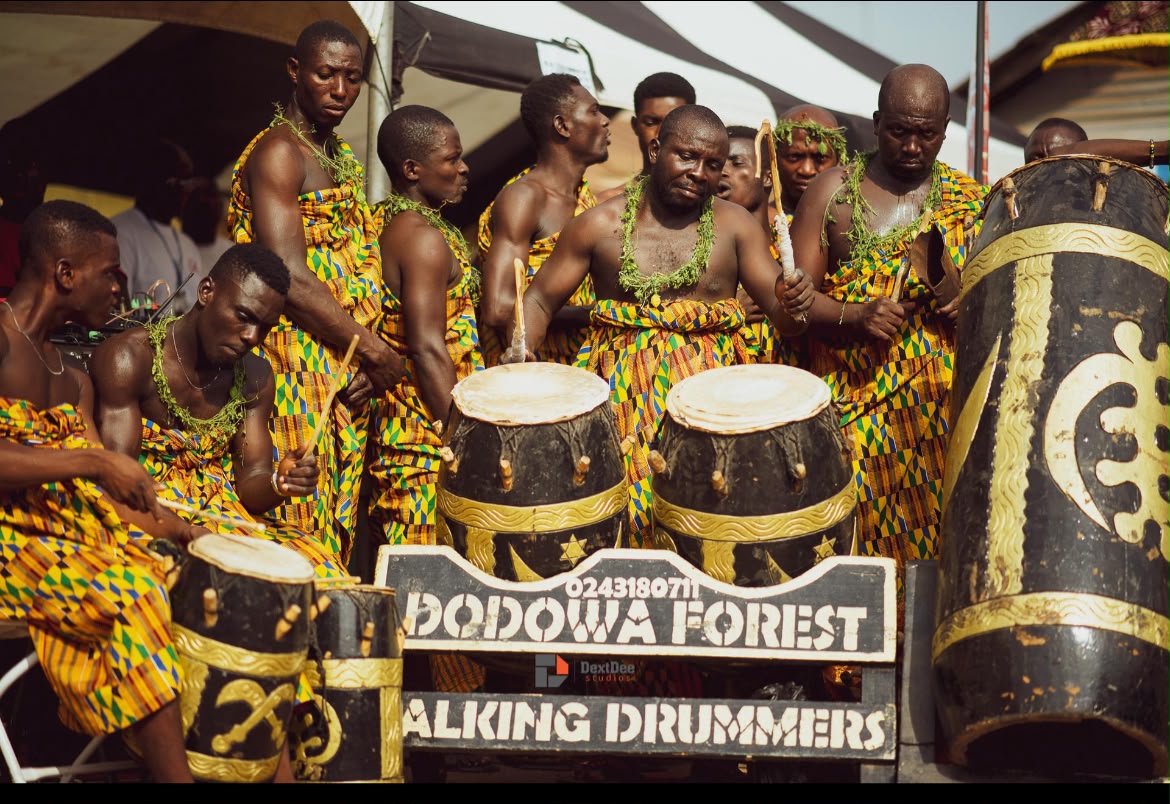
Ghana is a nation where culture is not merely preserved—it is celebrated every day. Renowned for its warm hospitality, respect for elders, colorful traditions, and strong sense of community, Ghana reflects a rich cultural heritage that has been passed down through generations. Although the country is home to diverse ethnic groups, including the Akan, Ga-Dangme, Ewe, Mole-Dagbani, Guan, and many others, the values of unity, respect, family, and tradition remain common threads that bind the nation together.
One of Ghana’s most treasured cultural symbols is Kente, the beautifully handwoven fabric that represents royalty, heritage, wisdom, and achievement. Each pattern is carefully designed to tell a story or convey a message inspired by history, proverbs, and traditional beliefs. Equally significant are the Adinkra symbols, which appear on fabrics, artwork, jewelry, architecture, and everyday items. Every symbol carries a unique meaning, representing virtues such as courage, leadership, hope, unity, and faith. Alongside these cultural treasures, the institution of chieftaincy continues to preserve Ghana’s customs, with chiefs, queen mothers, and elders serving as guardians of tradition and community values.
Music forms the heartbeat of Ghanaian life, bringing people together during festivals, ceremonies, religious gatherings, and social celebrations. Traditional Ghanaian music is characterized by energetic drumming, call-and-response singing, and captivating dances such as Adowa and Kpanlogo, each reflecting the unique heritage of different ethnic communities. Beyond entertainment, drums have long served as instruments of communication, using distinctive rhythms to announce important events, tell stories, and preserve history.
Ghana’s contemporary music industry has successfully blended tradition with innovation. Highlife, born from the fusion of indigenous rhythms and Western musical influences, became the soundtrack of Ghana’s independence movement. It later inspired Hiplife, a genre that combines hip-hop with local languages such as Twi and Ewe. Today, Afrobeats and gospel music continue to dominate the country’s music scene, with internationally acclaimed artists such as Sarkodie, Black Sherif, and Gyakie proudly showcasing Ghanaian creativity on the global stage.
Ghanaian cuisine is another reflection of the nation’s rich cultural identity. Built around fresh local ingredients including cassava, yam, maize, rice, plantain, and fish, the country’s dishes are known for their bold flavors and hearty portions. Meals are traditionally shared among family and friends, symbolizing togetherness and hospitality.
Some of Ghana’s most popular dishes include jollof rice, a flavorful tomato-based rice dish enjoyed at celebrations; waakye, a delicious combination of rice and beans served with accompaniments such as fried plantain, eggs, fish, and spicy sauces; and fufu, prepared from cassava and plantain and served with soups such as light soup, groundnut soup, or palm nut soup. Coastal communities are especially known for banku and grilled tilapia, while kenkey, served with fried fish and spicy shito, remains a cherished staple across the country. Ghana is also one of the world’s leading producers of premium cocoa, supplying high-quality cocoa beans that contribute to chocolate production around the globe.
From its vibrant traditions and timeless rhythms to its flavorful cuisine and welcoming people, Ghana offers an unforgettable cultural experience. Every festival, every melody, and every shared meal reflects the country’s enduring spirit, making Ghana a destination where heritage, creativity, and hospitality come together in remarkable harmony.