
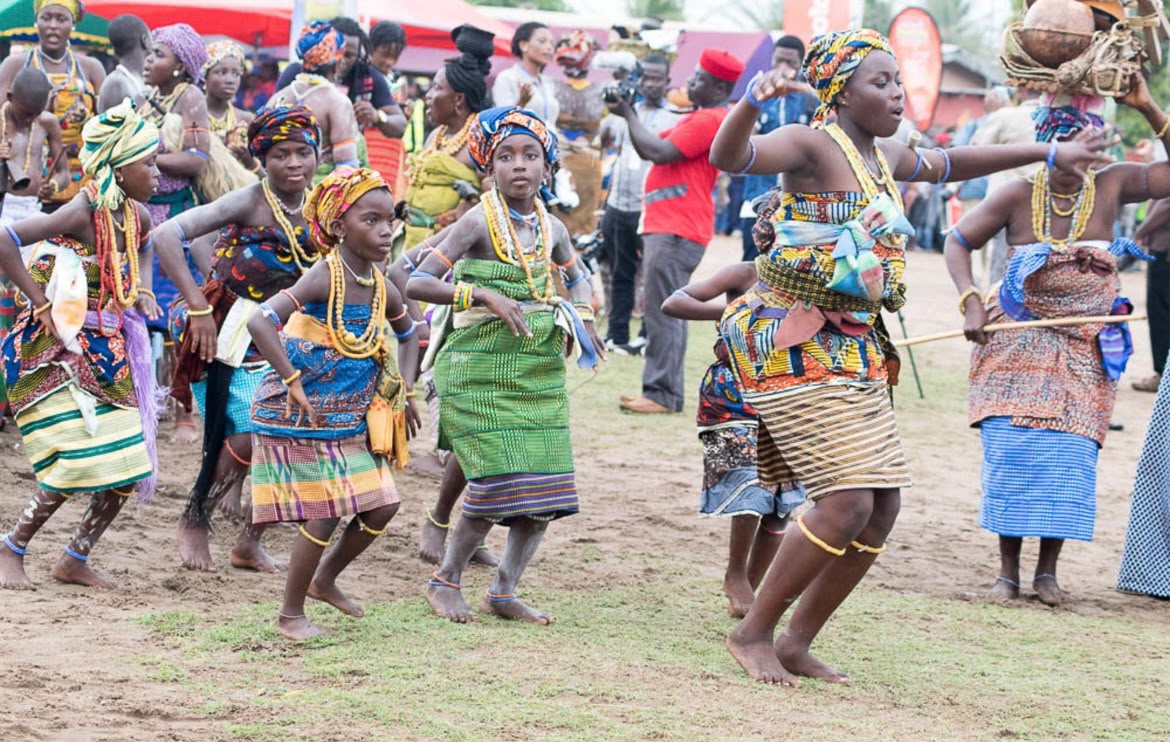
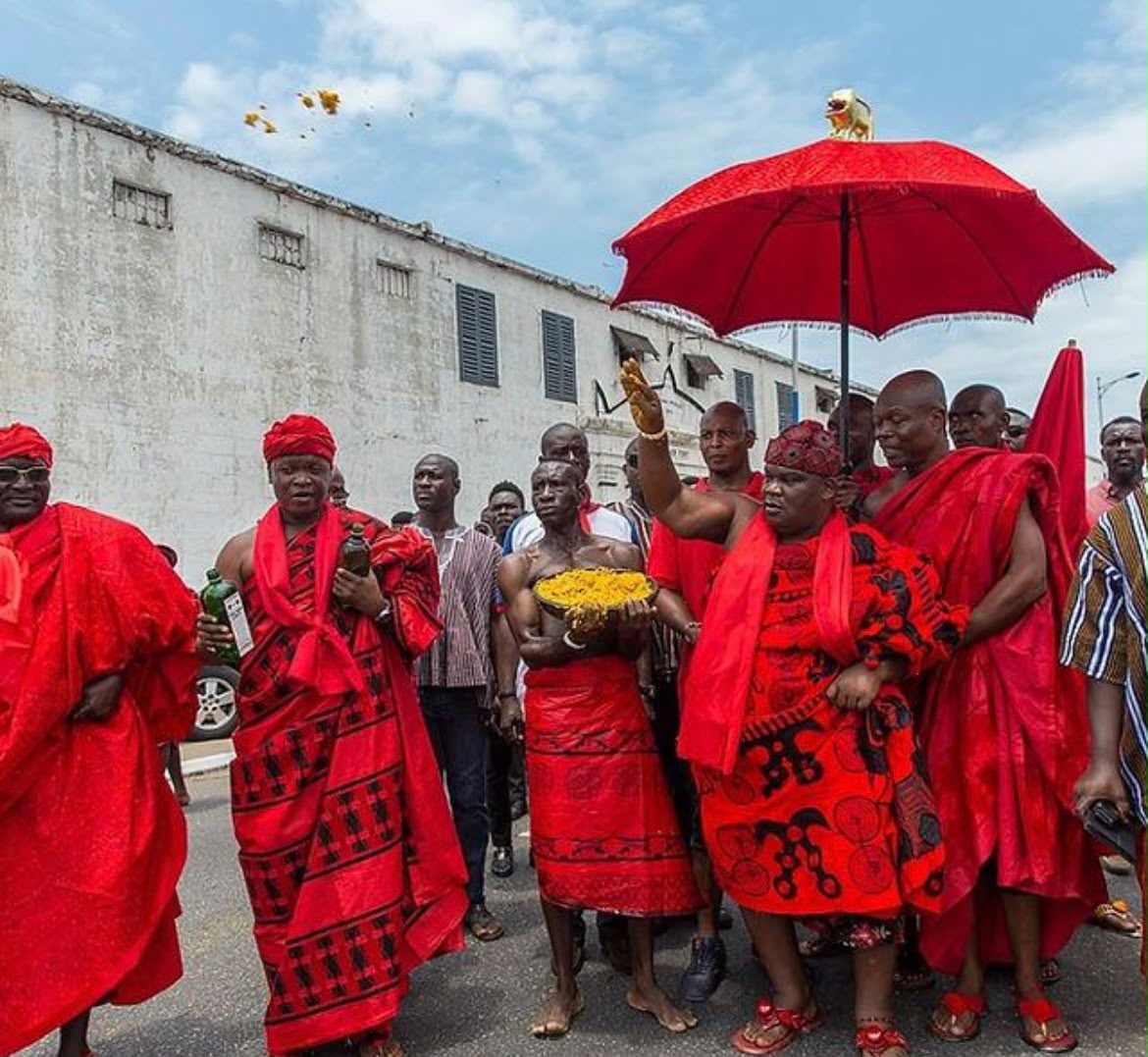
 Ghana is a nation of remarkable cultural diversity, home to numerous ethnic groups, each with its own language, customs, traditional leadership, and rich historical heritage. Across the country, these traditions continue to thrive through colorful festivals, royal ceremonies, music, dance, and community celebrations. For visitors, Ghana’s festivals offer one of the most authentic ways to experience the country’s vibrant culture and enduring traditions.
One of Ghana’s most influential traditional states is the Asante Kingdom, whose capital is Kumasi in the Ashanti Region. At the heart of the kingdom is the sacred Golden Stool, the ultimate symbol of the unity, authority, and spirit of the Asante people. Although Ghana is a modern republic, the Asantehene remains one of the country’s most respected traditional rulers. Every six weeks, the Akwasidae Festival brings together chiefs, elders, and thousands of visitors to honor the king through elaborate ceremonies featuring royal processions, traditional drumming, colorful Kente cloth, and magnificent displays of gold regalia.
In the Volta Region, the Ewe people are renowned for their vibrant cultural traditions, which are deeply rooted in music, dance, and community leadership. Paramount chiefs and clan leaders continue to play an important role in preserving customs, settling disputes, and promoting unity. Traditional dances such as Agbadza and Borborbor are accompanied by powerful drumming that serves as both entertainment and a form of storytelling. Performed during festivals, funerals, and important community events, these dances celebrate history, honor ancestors, and strengthen the bonds within the community.
The Ga people of Greater Accra celebrate one of Ghana’s most famous cultural festivals—the Homowo Festival, meaning “hooting at hunger.” The festival commemorates the triumph over a historic famine and gives thanks for a successful harvest. Families prepare and share kpokpoi, a traditional corn-based meal, while the streets come alive with drumming, dancing, colorful processions, and joyful celebrations that reflect the resilience and unity of the Ga people.
Northern Ghana is home to several historic kingdoms, including Dagbon, Mamprugu, and Gonja, each with its own royal traditions, customs, and cultural identity. Among the region’s most celebrated events is the Damba Festival, where chiefs dressed in magnificent traditional attire ride decorated horses as communities gather for drumming, dancing, storytelling, and cultural performances. The festival celebrates leadership, heritage, and the rich history of northern Ghana.
The Hausa communities, found mainly in Ghana’s Zongo settlements, also make significant contributions to the country’s cultural diversity. Their celebrations during Eid al-Fitr and Eid al-Adha blend Islamic traditions with Ghanaian hospitality, creating colorful occasions marked by prayer, family gatherings, traditional cuisine, music, and acts of generosity.
From the bustling streets of Accra to the historic palaces of Kumasi and the royal courts of northern Ghana, the country’s kingdoms and festivals continue to preserve centuries of history and tradition. These living cultural institutions remain a source of pride, bringing communities together while offering visitors a unique opportunity to experience the rich heritage that defines Ghana.Ghana is a nation of remarkable cultural diversity, home to numerous ethnic groups, each with its own language, customs, traditional leadership, and rich historical heritage. Across the country, these traditions continue to thrive through colorful festivals, royal ceremonies, music, dance, and community celebrations. For visitors, Ghana’s festivals offer one of the most authentic ways to experience the country’s vibrant culture and enduring traditions.
One of Ghana’s most influential traditional states is the Asante Kingdom, whose capital is Kumasi in the Ashanti Region. At the heart of the kingdom is the sacred Golden Stool, the ultimate symbol of the unity, authority, and spirit of the Asante people. Although Ghana is a modern republic, the Asantehene remains one of the country’s most respected traditional rulers. Every six weeks, the Akwasidae Festival brings together chiefs, elders, and thousands of visitors to honor the king through elaborate ceremonies featuring royal processions, traditional drumming, colorful Kente cloth, and magnificent displays of gold regalia.
In the Volta Region, the Ewe people are renowned for their vibrant cultural traditions, which are deeply rooted in music, dance, and community leadership. Paramount chiefs and clan leaders continue to play an important role in preserving customs, settling disputes, and promoting unity. Traditional dances such as Agbadza and Borborbor are accompanied by powerful drumming that serves as both entertainment and a form of storytelling. Performed during festivals, funerals, and important community events, these dances celebrate history, honor ancestors, and strengthen the bonds within the community.
The Ga people of Greater Accra celebrate one of Ghana’s most famous cultural festivals—the Homowo Festival, meaning “hooting at hunger.” The festival commemorates the triumph over a historic famine and gives thanks for a successful harvest. Families prepare and share kpokpoi, a traditional corn-based meal, while the streets come alive with drumming, dancing, colorful processions, and joyful celebrations that reflect the resilience and unity of the Ga people.
Northern Ghana is home to several historic kingdoms, including Dagbon, Mamprugu, and Gonja, each with its own royal traditions, customs, and cultural identity. Among the region’s most celebrated events is the Damba Festival, where chiefs dressed in magnificent traditional attire ride decorated horses as communities gather for drumming, dancing, storytelling, and cultural performances. The festival celebrates leadership, heritage, and the rich history of northern Ghana.
The Hausa communities, found mainly in Ghana’s Zongo settlements, also make significant contributions to the country’s cultural diversity. Their celebrations during Eid al-Fitr and Eid al-Adha blend Islamic traditions with Ghanaian hospitality, creating colorful occasions marked by prayer, family gatherings, traditional cuisine, music, and acts of generosity.
From the bustling streets of Accra to the historic palaces of Kumasi and the royal courts of northern Ghana, the country’s kingdoms and festivals continue to preserve centuries of history and tradition. These living cultural institutions remain a source of pride, bringing communities together while offering visitors a unique opportunity to experience the rich heritage that defines Ghana.