
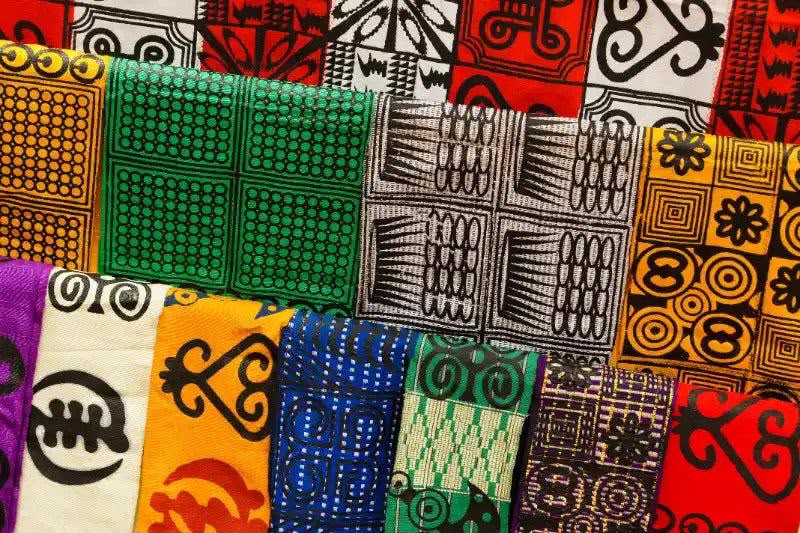
 Traditional clothing in Ghana is more than fashion—it is a powerful expression of culture, identity, history, and pride. Every woven fabric, color, and pattern tells a story, reflecting the beliefs, values, and heritage of the people who wear it. Across generations, these garments have remained important symbols of unity, dignity, and cultural preservation.
Kente is Ghana’s most celebrated traditional fabric and one of Africa’s most recognized cultural treasures. It originated in the town of Bonwire in the Ashanti Region, where, according to tradition, two skilled weavers drew inspiration from the intricate patterns of a spider’s web. Their discovery gave birth to an art form that has become a global symbol of African excellence.
Originally reserved for kings, queens, and members of the royal court, Kente was worn during important ceremonies and sacred occasions. Today, it is proudly worn by Ghanaians during festivals, weddings, graduations, traditional marriages, and national celebrations, symbolizing honor, achievement, and cultural pride.
Each Kente pattern carries its own name and meaning. Many designs are inspired by proverbs, historical events, leadership, wisdom, unity, courage, and love. The vibrant colors woven into the fabric also communicate powerful messages. Gold represents wealth, royalty, and prosperity; green symbolizes growth and renewal; red reflects sacrifice and strength; black signifies spiritual maturity and ancestral heritage; while white represents purity, peace, and victory. Every Kente cloth is carefully chosen to reflect the occasion and the message the wearer wishes to convey.
Adinkra Symbols
Beyond Kente, Ghana is also renowned for Adinkra cloth, another important cultural fabric of the Akan people. Traditionally worn during funerals and solemn ceremonies, Adinkra has evolved into an everyday symbol of Ghanaian identity. Today, its distinctive symbols appear on clothing, jewelry, furniture, architecture, pottery, books, and works of art.
Every Adinkra symbol conveys a unique philosophy or moral lesson. The famous Gye Nyame symbol expresses the supremacy of God with the meaning, “Except for God,” while Duafe, represented by a wooden comb, symbolizes beauty, cleanliness, femininity, and care. These symbols continue to communicate timeless values and preserve Ghana’s rich philosophical traditions.
Batakari (Fugu)
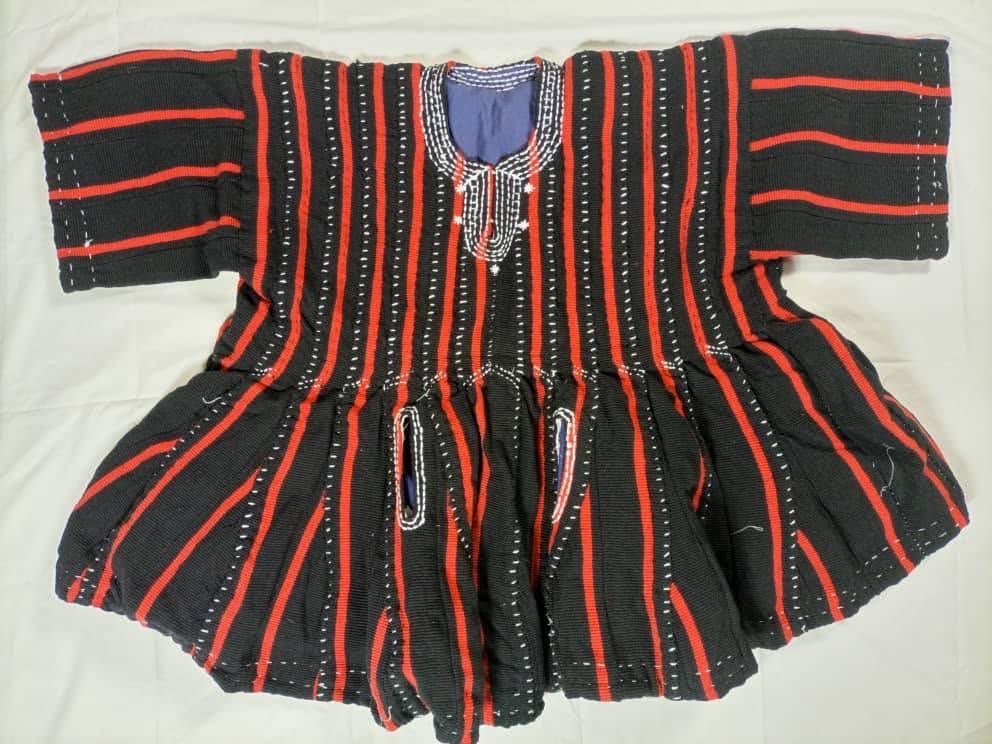
Northern Ghana is widely known for the Batakari, also called Fugu or the traditional smock. This beautifully handwoven garment is distinguished by its bold stripes, durable cotton fabric, and exceptional craftsmanship. Historically associated with warriors, chiefs, and community leaders, the Batakari represents courage, leadership, and honor.
Today, the smock is worn throughout Ghana during national celebrations, cultural festivals, and official events, serving as a proud symbol of the country’s northern heritage and traditional craftsmanship.
Whether it is the elegant Kente of southern Ghana, the meaningful symbols of Adinkra, or the distinctive Batakari of the north, Ghanaian traditional clothing reflects centuries of history, creativity, and cultural identity. Every garment tells a story, connecting the past with the present and allowing Ghanaians to proudly celebrate their heritage wherever they are in the world.