
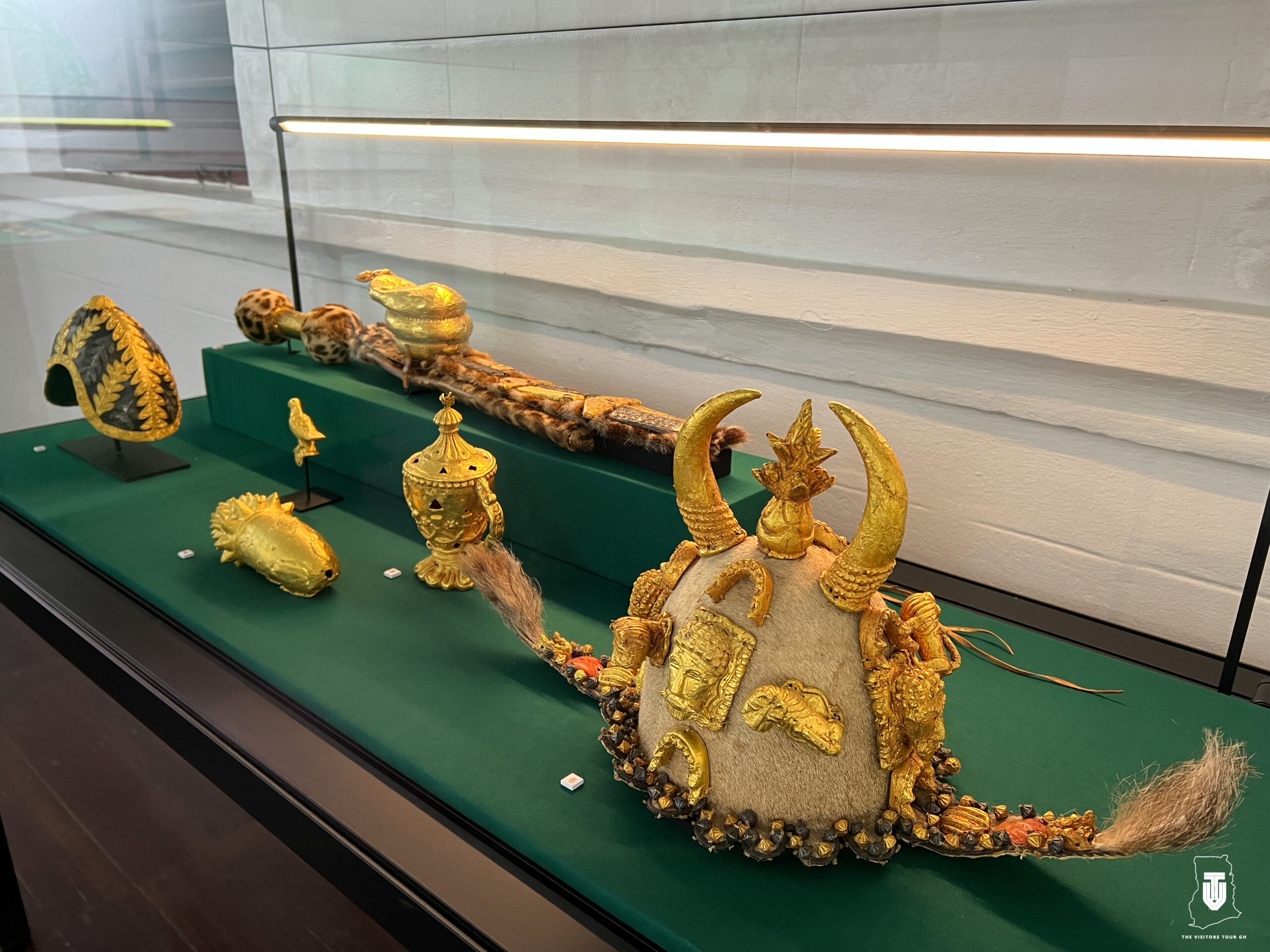
Ghana, once known as the the Gold Coast, earned its colonial name because of the vast quantities of gold discovered and traded by European merchants along its shores. Yet the story of Ghana stretches far beyond colonial history. It is a nation deeply rooted in ancient African civilizations, powerful kingdoms, cultural pride, and enduring traditions that continue to shape its identity today.
The modern nation of Ghana gained independence in 1957, becoming the first country in sub-Saharan Africa to break free from colonial rule. Under the leadership of Dr. Kwame Nkrumah and the nationalist movement led by the “Big Six,” Ghana’s independence became a symbol of hope and liberation for many African nations fighting for freedom. The name “Ghana” was chosen to honor the ancient Ghana Empire — a wealthy and influential West African kingdom that once flourished in the region of present-day Mali.
Long before colonialism, the land now called Ghana was occupied by well-organized ethnic groups and kingdoms with rich cultural systems and political structures. The Guan people are recognized as some of the earliest settlers in the region. Over time, communities such as the Akan, Ewe, Ga-Dangme, Mole-Dagbani, and others established strong societies with distinct customs, languages, and traditions. Among the most prominent was the Asante Empire, renowned for its military strength, sophisticated governance, wealth, and fierce resistance against colonial domination.
During British colonial rule, the territory was divided into several administrative regions including the Gold Coast Colony, Asante, the Northern Territories, and British Togoland. In 1956, following a plebiscite, British Togoland joined the newly forming nation and became part of today’s Volta Region. The colonial economy largely focused on the extraction of natural resources such as gold, palm oil, timber, and cocoa. Although railways, roads, and telegraph systems were introduced, these developments mainly served colonial trade interests rather than national growth and industrialization.
Since the adoption of the Fourth Republic in 1992, Ghana has become one of Africa’s most respected democracies. The nation has experienced peaceful political transitions, stable governance, and active civic participation. Today, Ghana is recognized for its democratic leadership, commitment to Pan-African ideals, and contribution to global peace and development.
Despite modernization, traditional authority remains an important pillar of Ghanaian society. Chieftaincy institutions continue to hold cultural and social significance, with chiefs, queen mothers, and elders serving as custodians of tradition, land, and community values. They play vital roles in conflict resolution, cultural preservation, and the organization of festivals and customary ceremonies.
Ghanaian traditions are preserved through oral history, family lineage, storytelling, rites of passage, and community celebrations. Festivals across the country reflect themes of unity, gratitude, remembrance, and identity. Respect for ancestors, sacred spaces, and communal values continues to influence daily life and social relationships.
Today, Ghana’s traditions are not simply memories of the past — they remain living expressions of identity and belonging. From colorful festivals and royal customs to family structures and communal living, tradition continues to connect generations and strengthen the spirit of the nation. Ghana stands as a country where history, culture, and heritage are proudly celebrated and passed on to future generations.